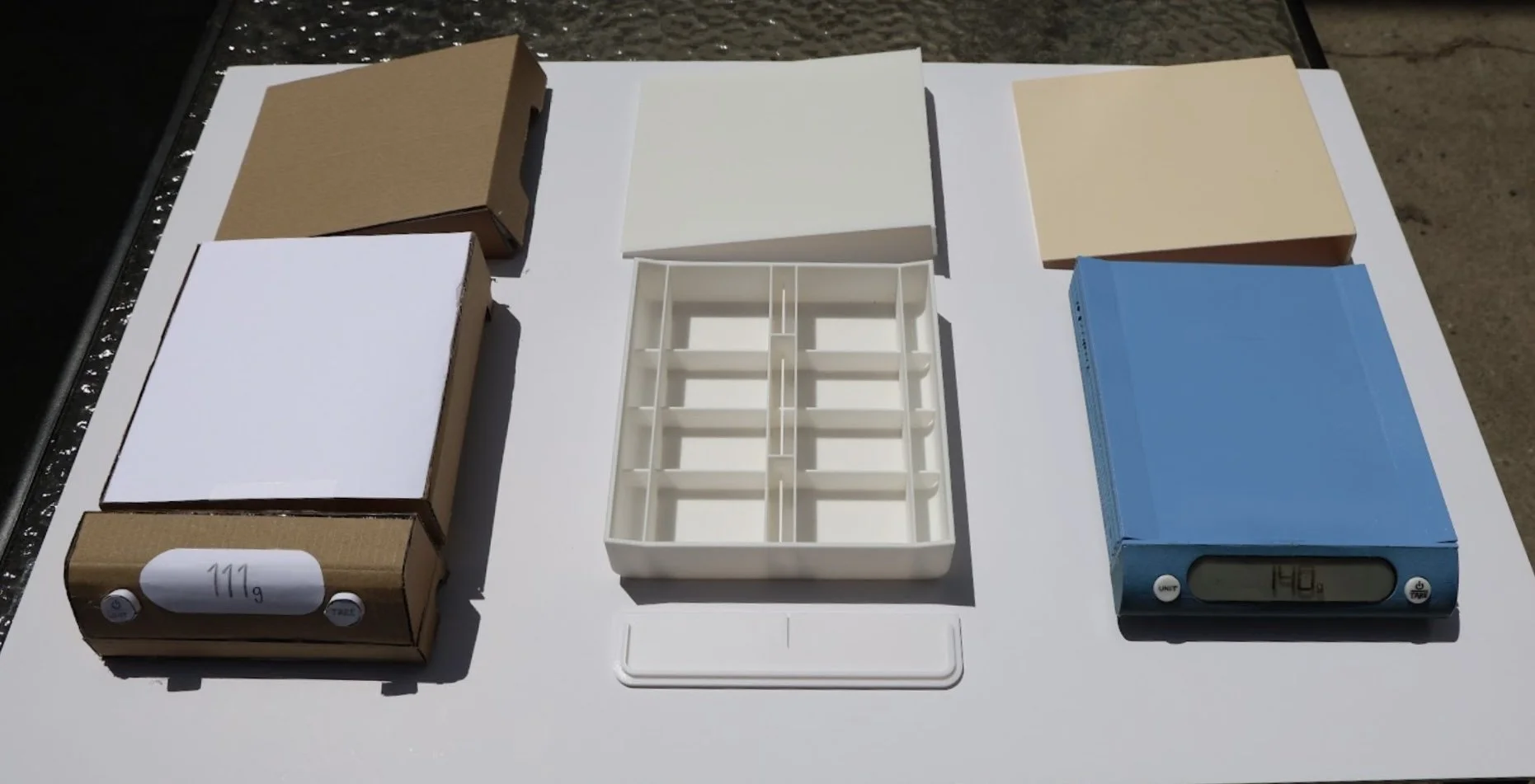
The Le Creuset Kitchen Scale.
A tech-forward product for a historically loved brand, offering integration of technical quality, aesthetic brand image, and user-focused design.

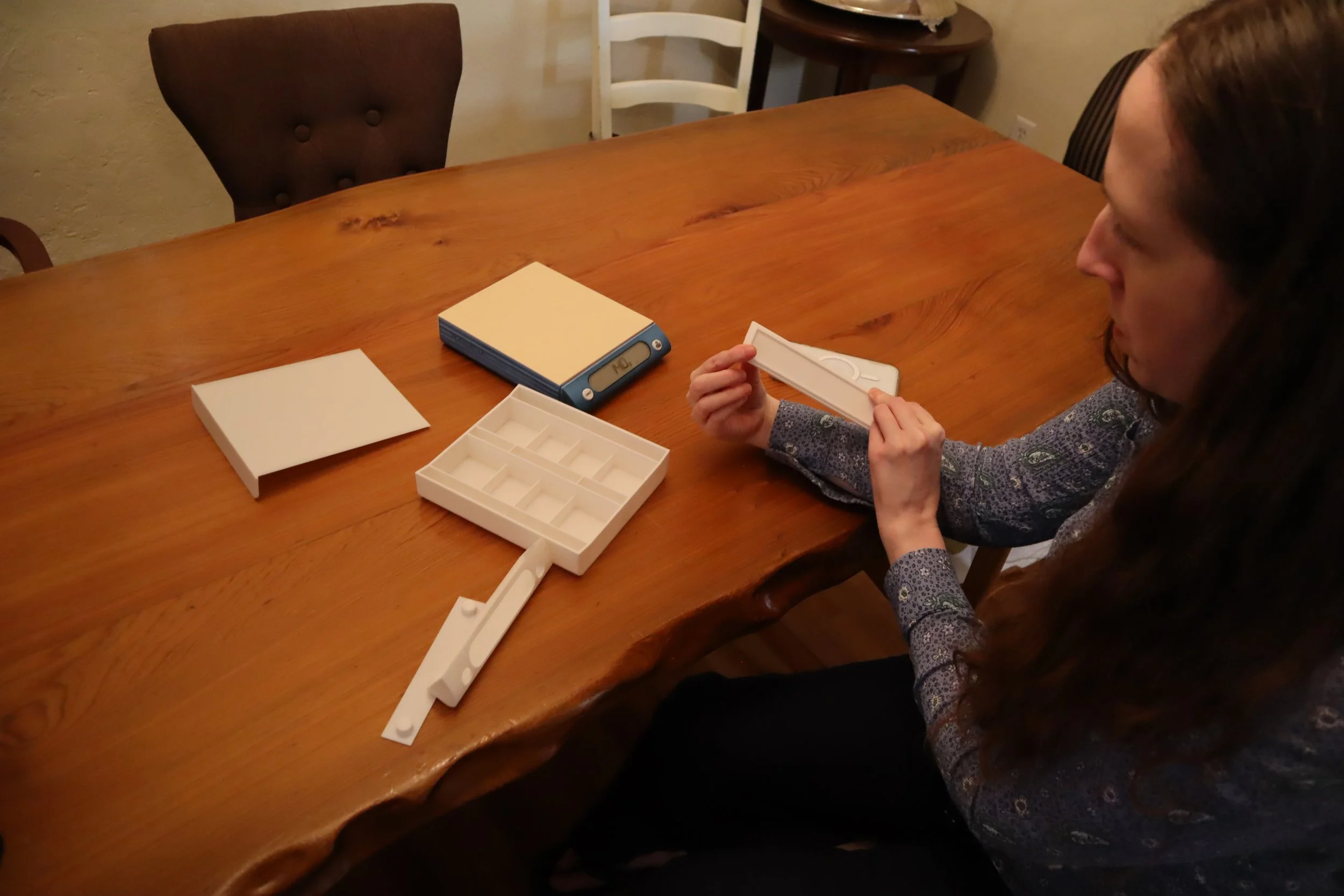
I work with the user from the start, finding out what they’re missing in products already on the market.
Here, I worked with a baker from Sweet Life Patisserie in Eugene, Oregon to discover what features she liked about different existing kitchen scales, and what she wished she saw more of.
She mentioned specifically wanting:
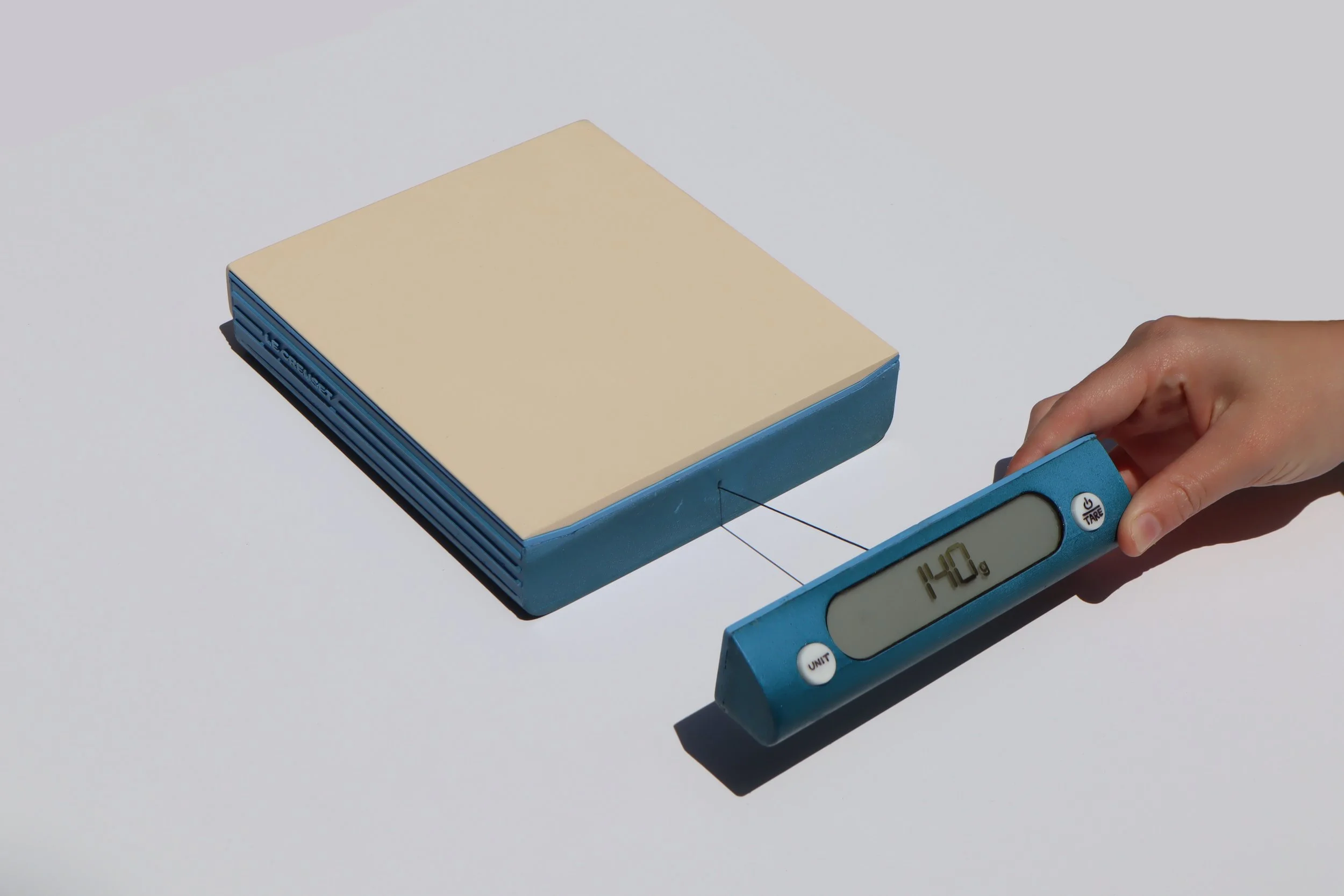
A pull-out display so values can be read despite the size of the contents being measured
Easy cleaning
A simplistic, but still capable interface
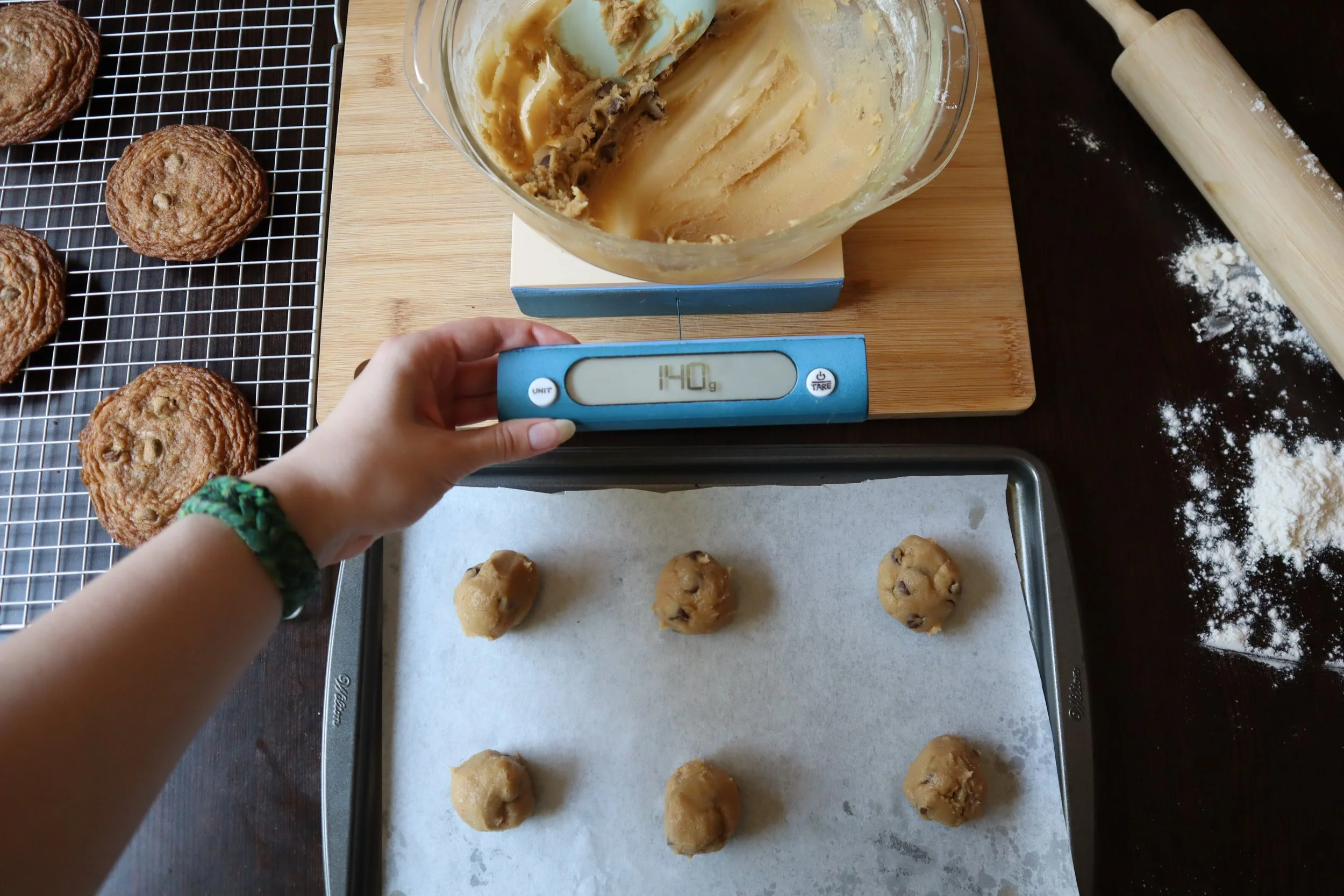
Ability for one-handed use
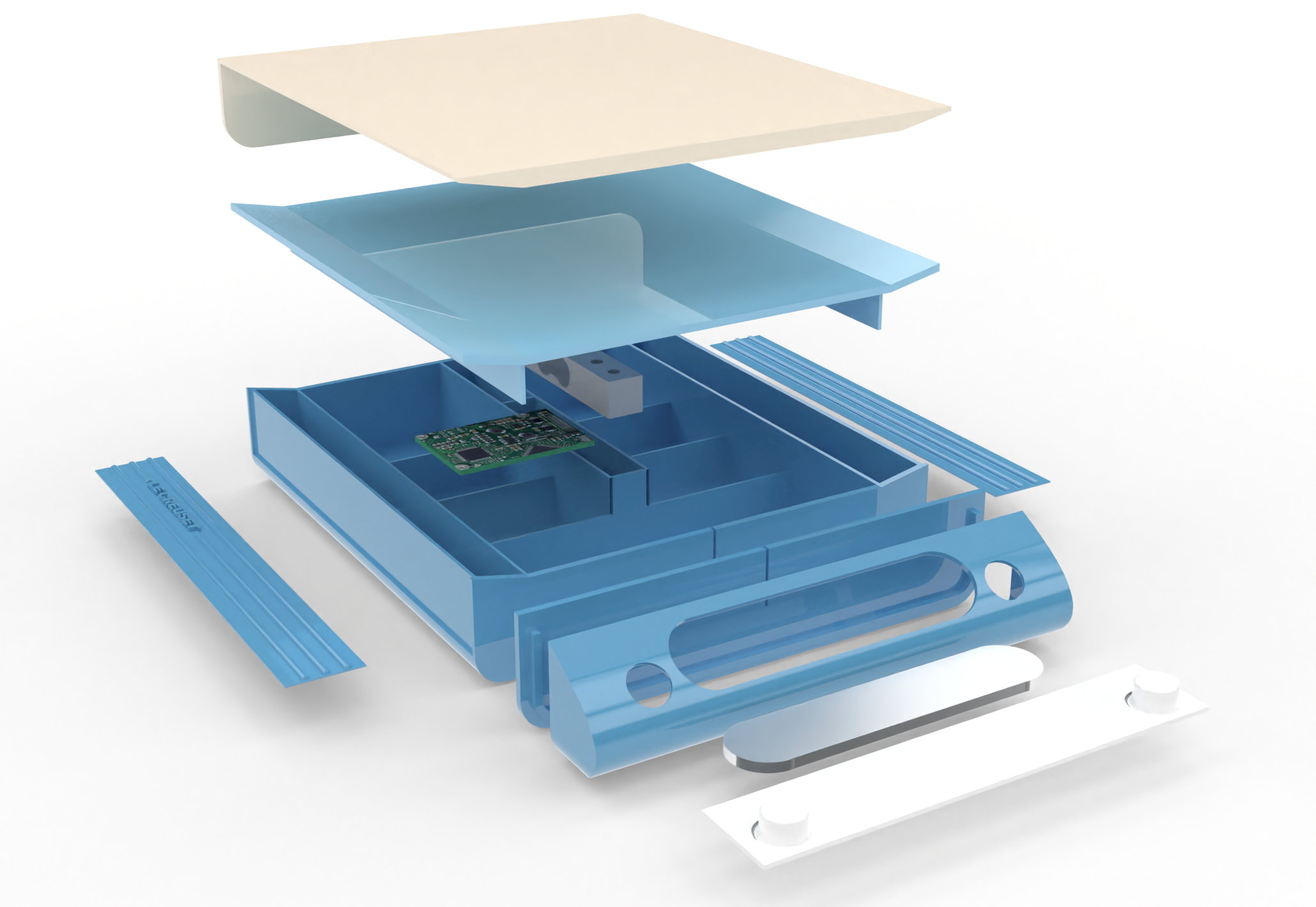
These features are shown in the final product in many different ways. The integrated pull-out display allows a bowl of any size to be used to weigh ingredients, as well as enabling the user to work with one hand while the other is occupied. The slanted display and buttons prevent buildup of flour and other messy kitchen hazards, and the slide-off tray can easily be thrown in a dishwasher for instant cleanup without harming the interior technology.
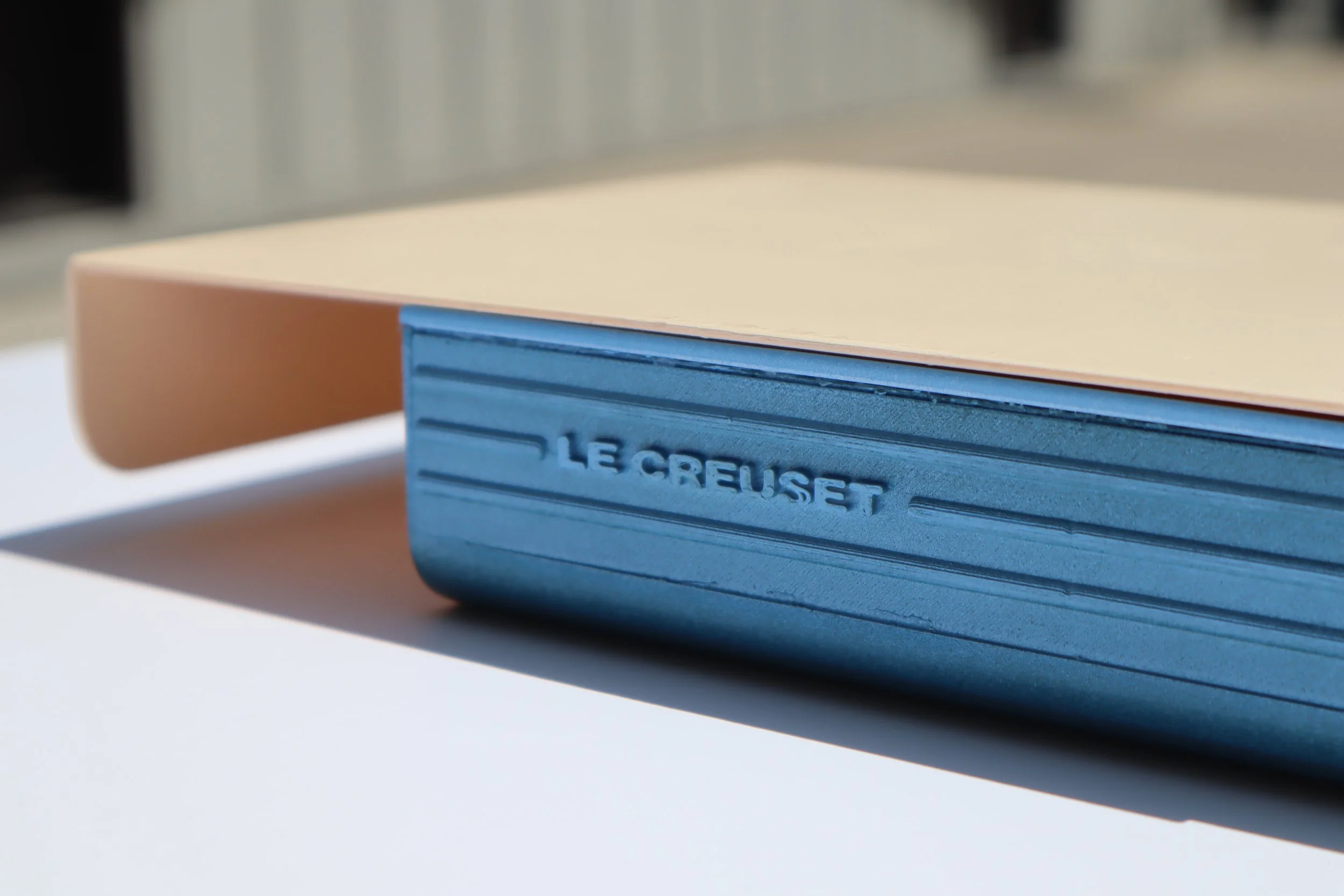
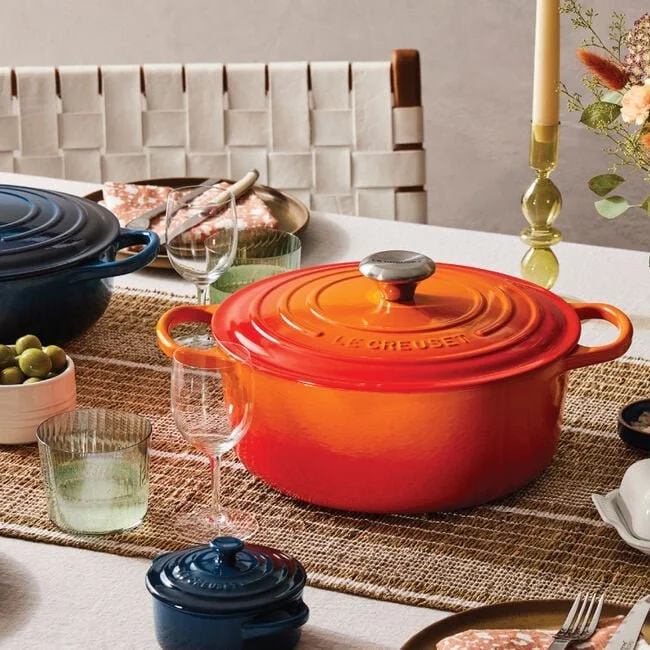
Brand identity to the forefront.
I reworked the classic Le Creuset logo, embellishments, and colorways onto my kitchen scale so the introduction of a tech-powered tool did not feel out of place amongst their iconic product line.
For a brand with such a strong image and historical presence, it was key to design within their existing visual language for their first technical product to feel at home. In all client-based projects, learning the ins and outs of brand identity is one of the first steps in the research process and is consistently referenced throughout the design process.
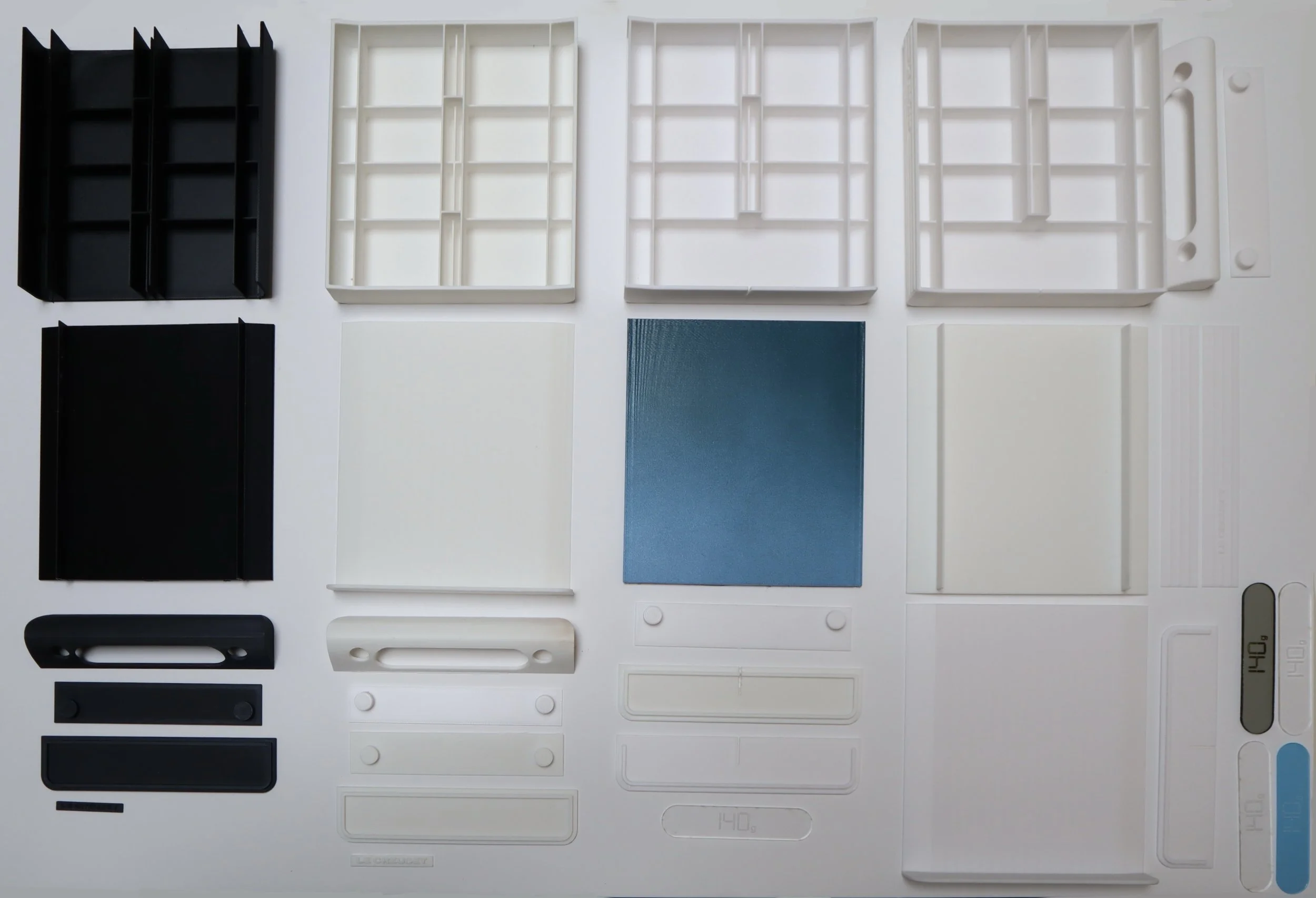
The process matters.
In the design process, a lot of prototypes, failures, and new considerations are constantly generated. It is crucial to use all of these things to your advantage.
For this project, I started with sketching and then low fidelity prototyping using materials like paper and cardboard to rough out the form. I then designed the body of the scale in CAD, factoring in standard measurements for internal components such as the load cell and circuitboard required to make the product function.
Designing with the internals in mind cuts down a bit on waste from the trial and error process, but does not fully eliminate it. I used my test 3D prints and other prototypes to examine the fit between parts, the ergonomics, and even as test surfaces for paint and other surface treatments. Having unfinished versions of the product available for critique allows me to find pain points in the design that need more work without having to go back and redo a finished product completely from scratch, and it also lets me learn how to avoid those struggles in future projects.